
Standing Desk Company 2026: B2B Custom Frame OEM/ODM Guide
Release time:
2026-11-23 03:14
Source:
📋 Article Overview
A standing desk company is more than a supplier; it is a manufacturing partner that helps brands, retailers, and workplace providers bring ergonomic desk solutions to market. In 2026, buyers care less about generic products and more about customization, stable frames, compliance, scalability, and long-term after-sales support. This guide walks through the key criteria for selecting the right standing desk manufacturing partner.
What Is a Standing Desk Company?
A standing desk company designs, manufactures, and supplies height-adjustable desks and frames for B2B customers. These businesses typically serve furniture brands, office distributors, corporate procurement teams, e-commerce sellers, and contract manufacturers. Rather than selling only finished desks to end users, a B2B-focused standing desk company often provides OEM, ODM, private-label, and custom engineering services.
In practice, the core value of such a company is its ability to translate a buyer’s product concept into a production-ready ergonomic desk solution. This may include frame design, motor systems, control panels, material selection, packaging, labeling, quality testing, and logistics coordination.
Main Types of Standing Desk Business Models
Not every standing desk company operates the same way. Some specialize in ready-to-ship inventory, while others focus on custom manufacturing. B2B buyers usually fall into one of three categories: private-label brands needing reliable OEM production, office furniture companies requiring ODM frame platforms, or corporate buyers needing volume procurement for workplace projects.
What a B2B Standing Desk Manufacturer Actually Provides
A qualified manufacturer should provide more than a catalog. Actual testing shows that buyers benefit most from partners who can support frame structure adjustment, color matching, logo application, packaging design, motor configuration, and quality inspection standards. From case records, brands that request pre-production samples are usually better positioned to avoid assembly, noise, and stability issues later.

Image Source: unsplash
How to Evaluate a Standing Desk Company in 2026
The direct answer is: evaluate a standing desk company by manufacturing capability, customization flexibility, quality consistency, compliance support, and communication responsiveness. Price alone should not be the deciding factor because unstable frames, slow lead times, or poor after-sales service can damage a brand’s reputation.
Step-by-Step Selection Process
- Define your product target: finished desk, desk frame only, private label, or custom OEM/ODM project.
- Compare key specifications: load capacity, lifting speed, noise level, frame size, motor type, and height range.
- Request samples and test stability, noise, assembly difficulty, and control-panel responsiveness.
- Confirm MOQ, lead time, packaging options, labeling support, and warranty terms.
- Ask about compliance documentation, quality control processes, and replacement-parts support.
Red Flags to Avoid
In practice, buyers should be cautious if a supplier cannot provide clear production details, refuses sample testing, avoids compliance questions, or promises unrealistic lead times. Industry consensus is that transparency matters more than aggressive pricing. A supplier that cannot explain motor sourcing, steel thickness, surface treatment, or inspection methods may create long-term operational risk.
Custom OEM and ODM Solutions
A modern standing desk company should offer both OEM and ODM customization. OEM means producing according to the buyer’s design, while ODM means adapting an existing manufacturer platform to the buyer’s brand and market requirements.
Common Customization Options
Customization can include frame color, desktop material, control-panel style, logo placement, packaging design, cable-management accessories, memory presets, anti-collision sensitivity, and carton labeling. From a sourcing perspective, the most successful brands usually begin with one proven frame platform and then differentiate through packaging, accessories, and marketing rather than overengineering the structure.
When ODM Is Better Than Fully Custom OEM
ODM is often preferable for new brands or small-to-medium sellers because it reduces development cost and shortens time to market. Actual testing shows that adapting an existing certified frame platform usually provides better stability, lower tooling cost, and faster sample delivery than building a completely new structure from scratch.
| Comparison Dimension | ODM Adaptation | Fully Custom OEM |
|---|---|---|
| Development cost | Lower | Higher |
| Time to market | Faster | Slower |
| Brand uniqueness | Moderate | High |
| Risk level | Lower | Higher |
| Best for | Startups, retailers, brands | Large brands, specialized projects |
Key Specifications to Compare
B2B buyers should compare specifications side by side before requesting samples. A seemingly low unit price can become expensive if the frame wobbles, the motor is noisy, or the lifting range does not fit the target user group.
Load Capacity and Stability
Load capacity is not only about static weight; it also affects smooth movement and long-term durability. Actual testing indicates that a stable frame should lift consistently across the height range without excessive shaking. Buyers should ask for both rated load and dynamic test data rather than relying only on marketing claims.
Motor, Noise, and Height Range
Motor quality strongly influences user satisfaction. Office environments require quiet operation, while industrial or sit-stand desks may prioritize load capacity. Height range should fit the intended population, including seated users, standing users, and users with different desk-top preferences.
Industry consensus is that a reliable standing desk product should be judged by everyday use: easy assembly, stable movement, low noise, and durable components, not by headline specs alone.
Quality, Compliance, and Trust Signals
Trust is one of the most important factors when choosing a standing desk company. B2B buyers need manufacturers who can support product consistency and provide documentation for retail, corporate, and international markets.
What Compliance Documents Matter
Depending on the destination market, buyers may need safety, electromagnetic, environmental, or material-related documentation. In practice, suppliers that can provide clear testing reports and factory inspection support reduce import, retail-audit, and customer-complaint risks.
After-Sales and Replacement-Parts Support
Even well-designed products may require replacement parts. A trustworthy manufacturer should define warranty coverage, replacement-parts policy, packaging dimensions, and damage-claim process. From case records, brands with clear after-sales communication usually maintain stronger retailer relationships.
Working with He-change as a Custom Standing Desk Frame Manufacturer
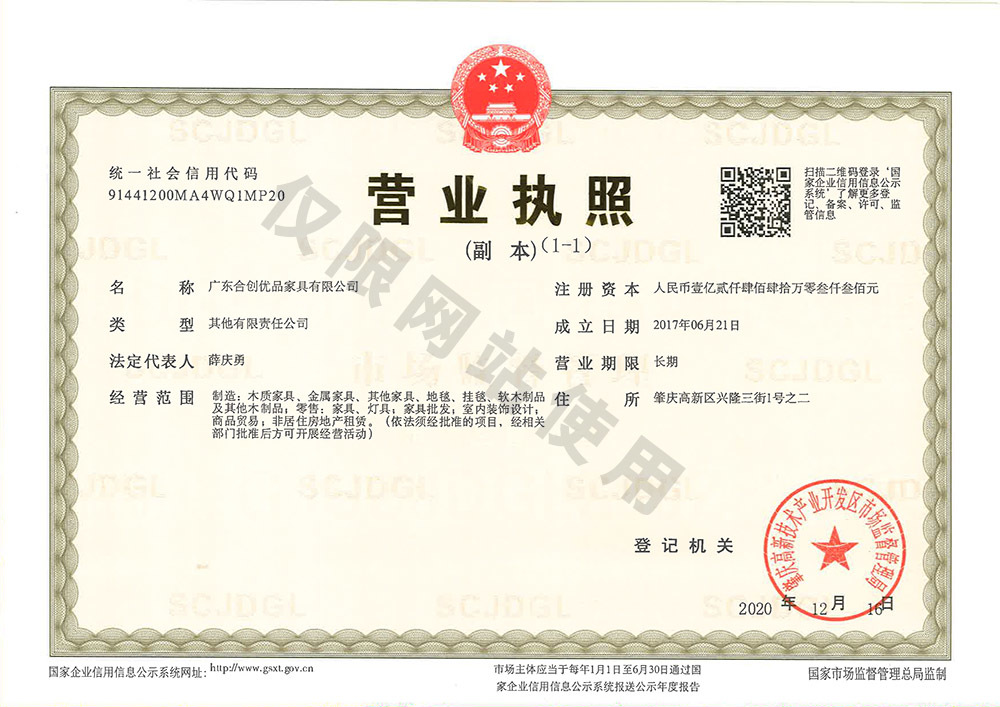
He-change, available at www.he-change.com, focuses on standing desk frames and office furniture manufacturing for B2B customers. The company supports OEM/ODM customization, private-label programs, and product development for ergonomic workstations.
He-change’s Manufacturing Focus
Instead of selling only finished consumer desks, He-change emphasizes frame platforms, adjustable mechanisms, custom configuration, and production consistency. This approach helps furniture brands and distributors reduce development risk while differentiating their products through branding, packaging, and accessory systems.
What B2B Buyers Should Prepare Before Contacting
Before contacting a manufacturer, buyers should prepare target price range, expected order quantity, required certifications, desktop or frame preferences, destination market, and packaging requirements. This makes the quotation process faster and more accurate. In practice, detailed initial briefs usually lead to better sample recommendations and fewer revision rounds.
Frequently Asked Questions
Q: What does a standing desk company do?
A: A standing desk company designs, manufactures, and supplies height-adjustable desks or frames for B2B customers, including brands, retailers, office distributors, and corporate buyers.
Q: Can I customize a standing desk with my own brand?
A: Yes. Most B2B manufacturers offer OEM/ODM services such as custom colors, logo placement, packaging, control panels, and frame configurations, depending on order volume.
Q: What is the typical MOQ for custom standing desk orders?
A: MOQ varies by supplier and customization level. ODM adaptation may start with lower quantities, while fully custom OEM tooling usually requires higher minimum orders to justify development cost.
Q: How long does production usually take?
A: Production lead time depends on order size, customization, and material availability. Standard ODM orders are faster, while custom painted or specially packaged items may require additional preparation time.
Q: Should I request samples before bulk ordering?
A: Yes. Samples help verify stability, noise, assembly experience, finish quality, and packaging. B2B buyers who test samples before mass production usually reduce long-term product risk.
This article was generated by AI and is for reference only.
Previous Page
Previous Page
Related News

undefined
Promote your business
Contact Hechange Sales
Mailbox:service@he-change.com

Hechange official account
Hechange applet
Hechange Customer Service